Residency Program
Surf Point’s residency program is a peer-to-peer or foundation-nominated award, providing time, space, and support for artists and arts professionals to rest, recalibrate, create, and connect. Surf Point de-prioritizes fixed notions of productivity, performance, and urgency, encouraging residents to focus on what they need most, connect with peers, and engage with our site’s legacy, built environment, and natural setting. We are committed to fostering a diverse and inclusive arts community where people from a wide range of backgrounds and experiences can thrive.
Cohorts include up to four residents who live and work in separate quarters within the Surf Point building. Residencies are 24 days. Residents are invited to extend their stay by three additional days if they elect to participate in a public program.
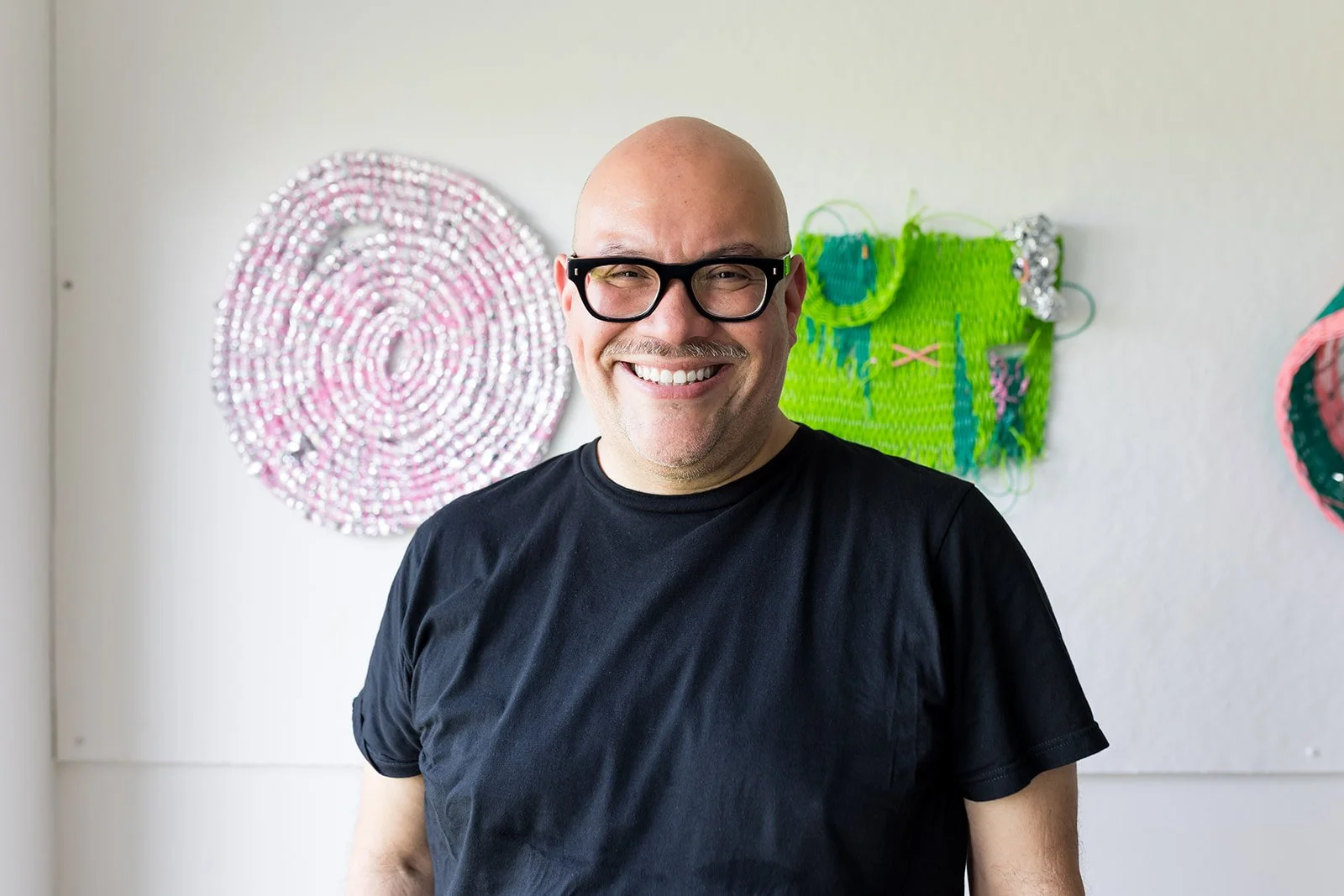
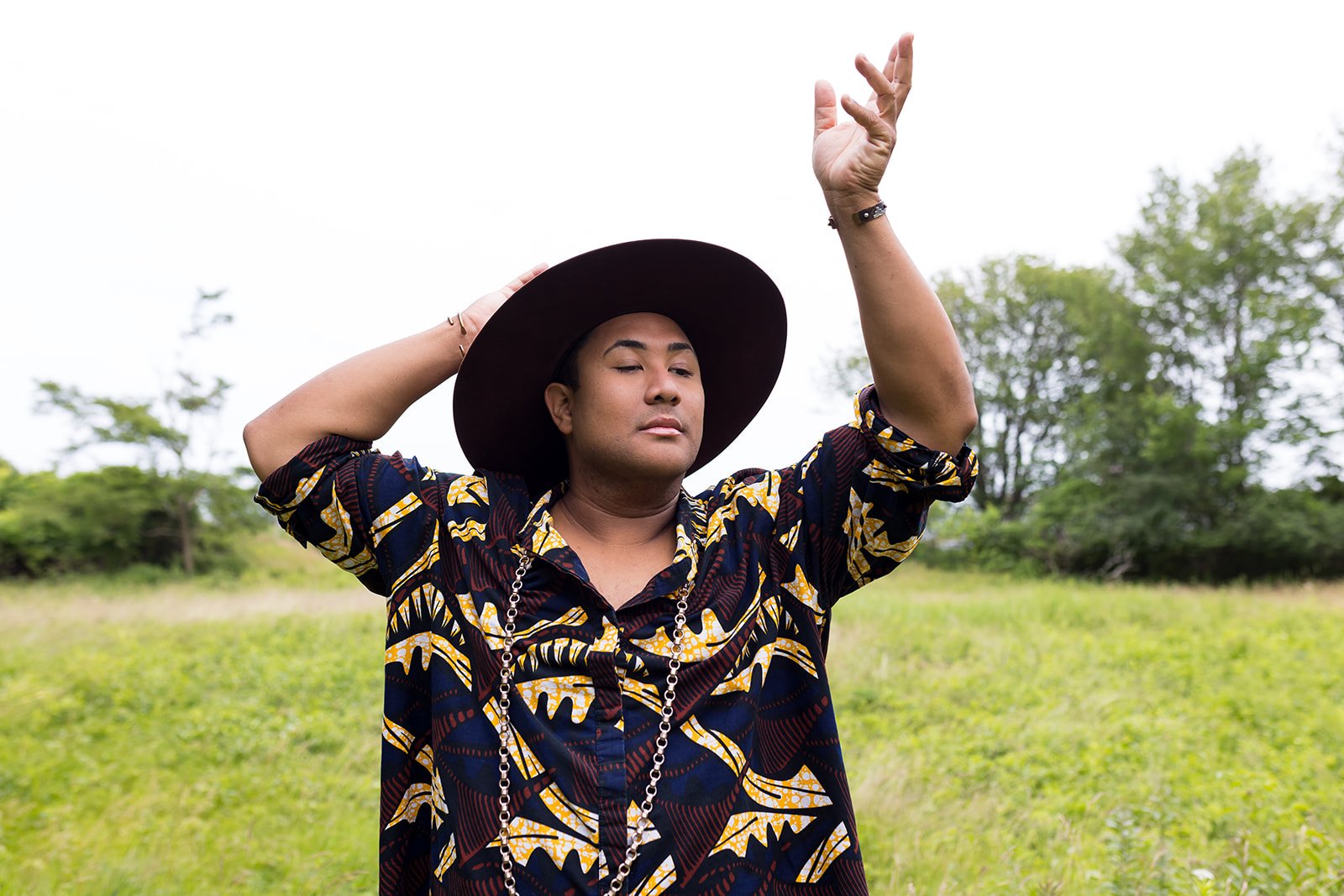
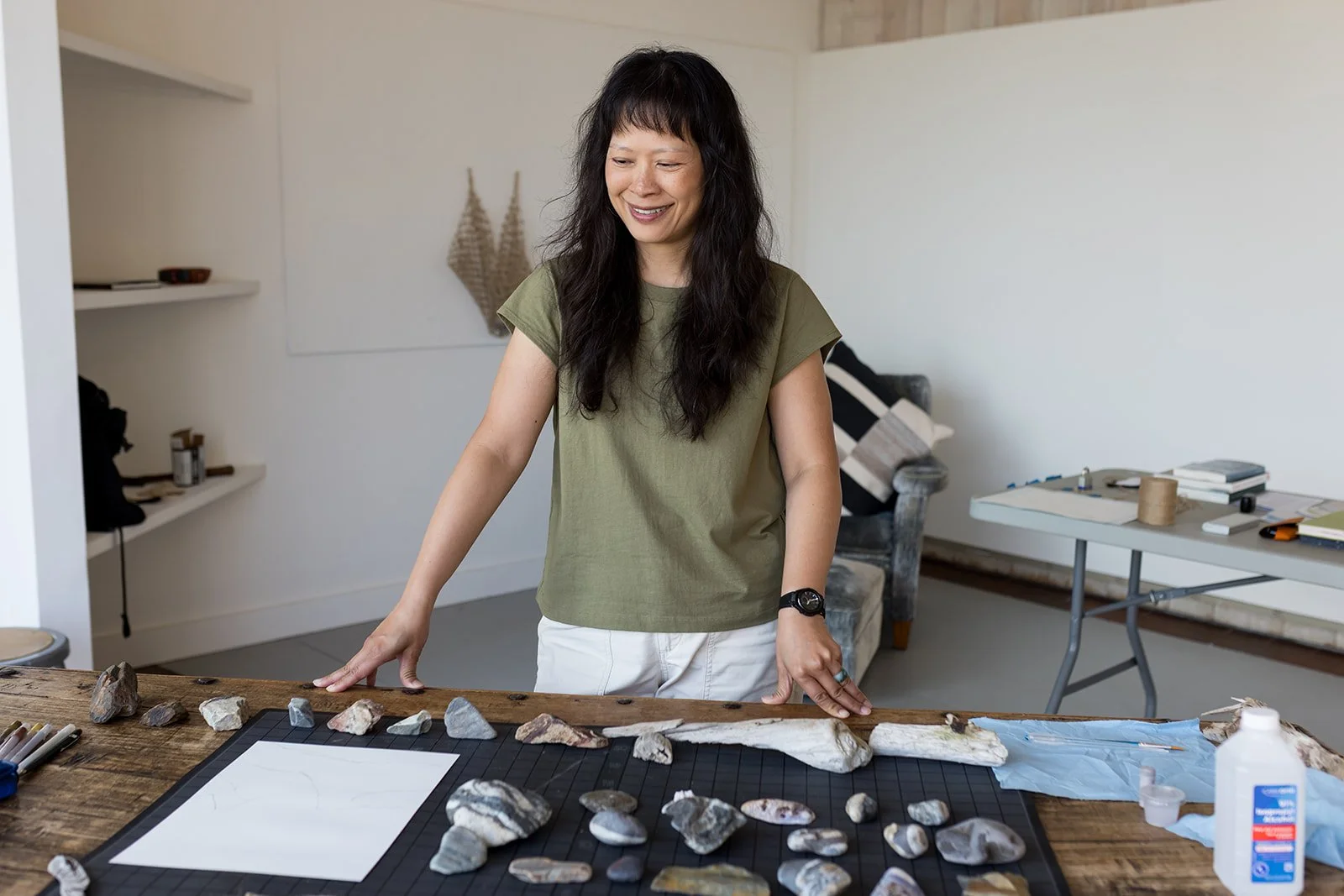
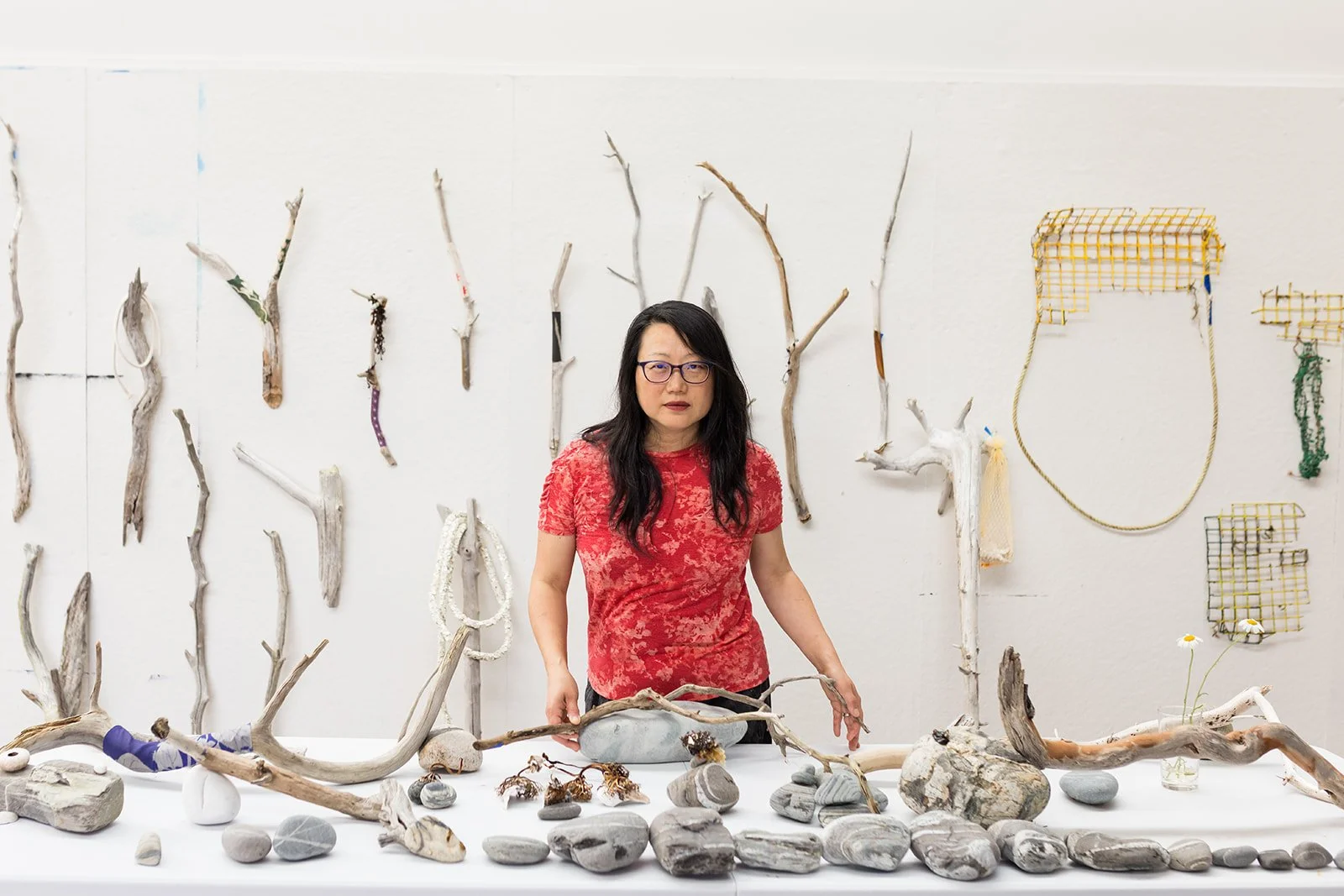
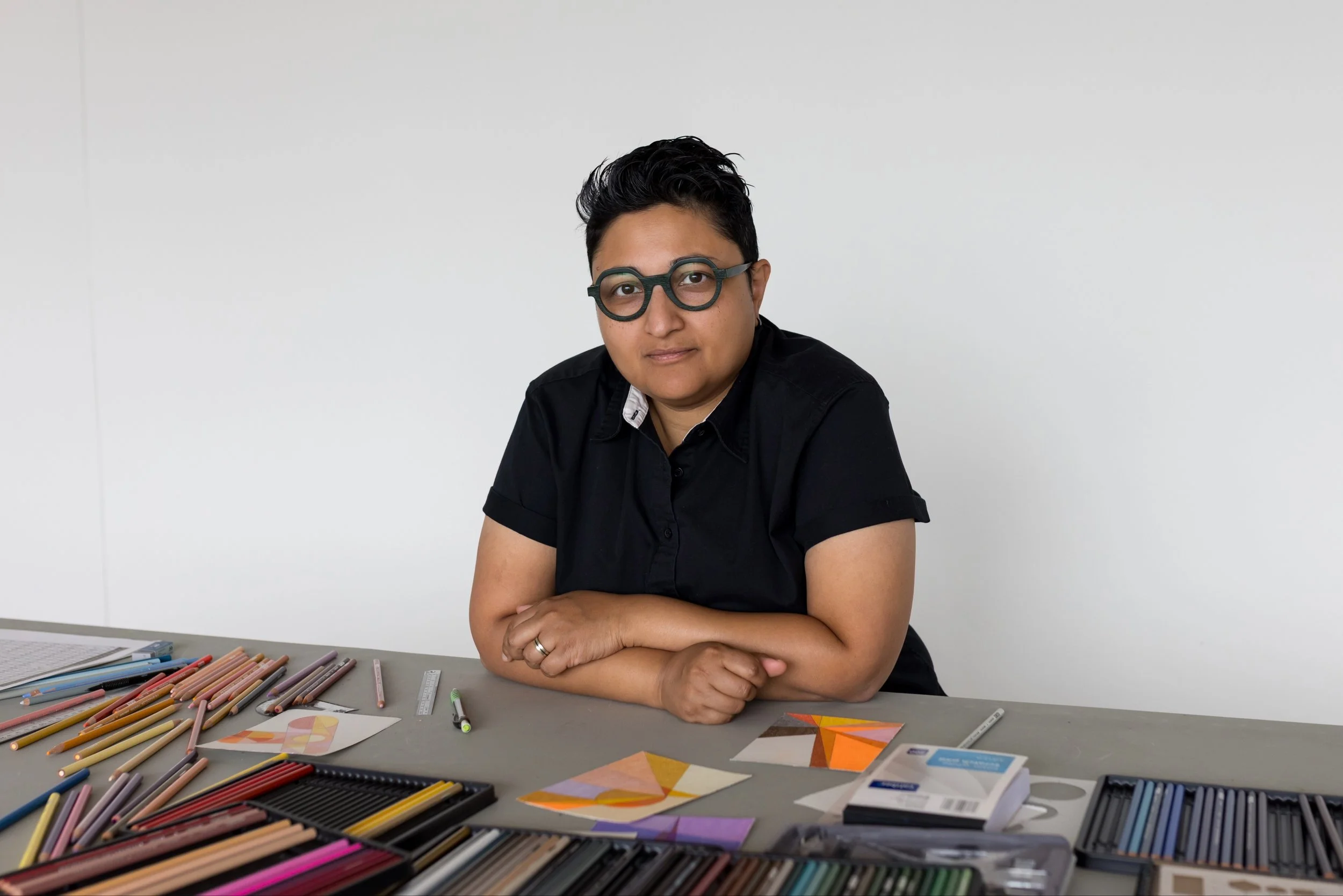
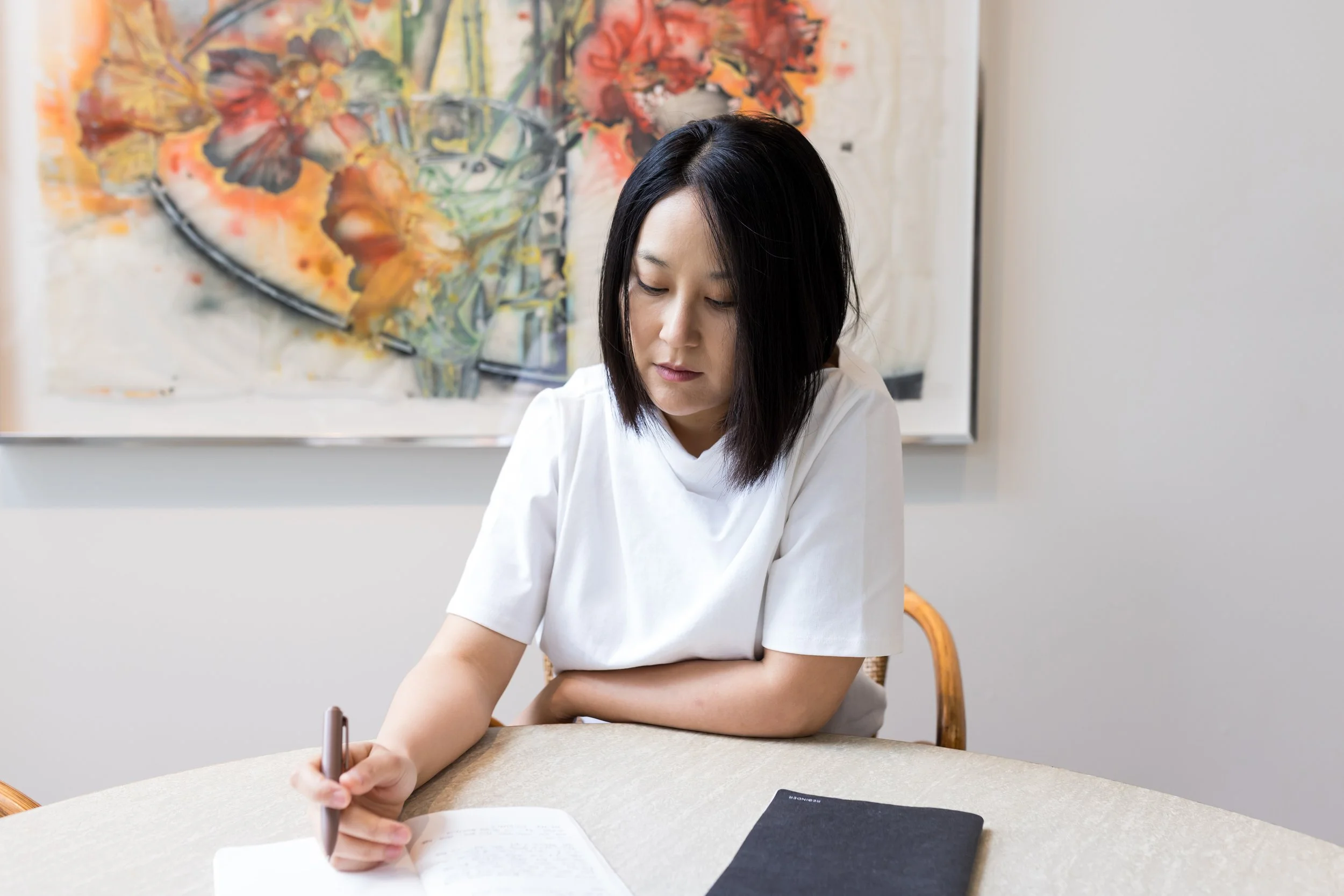
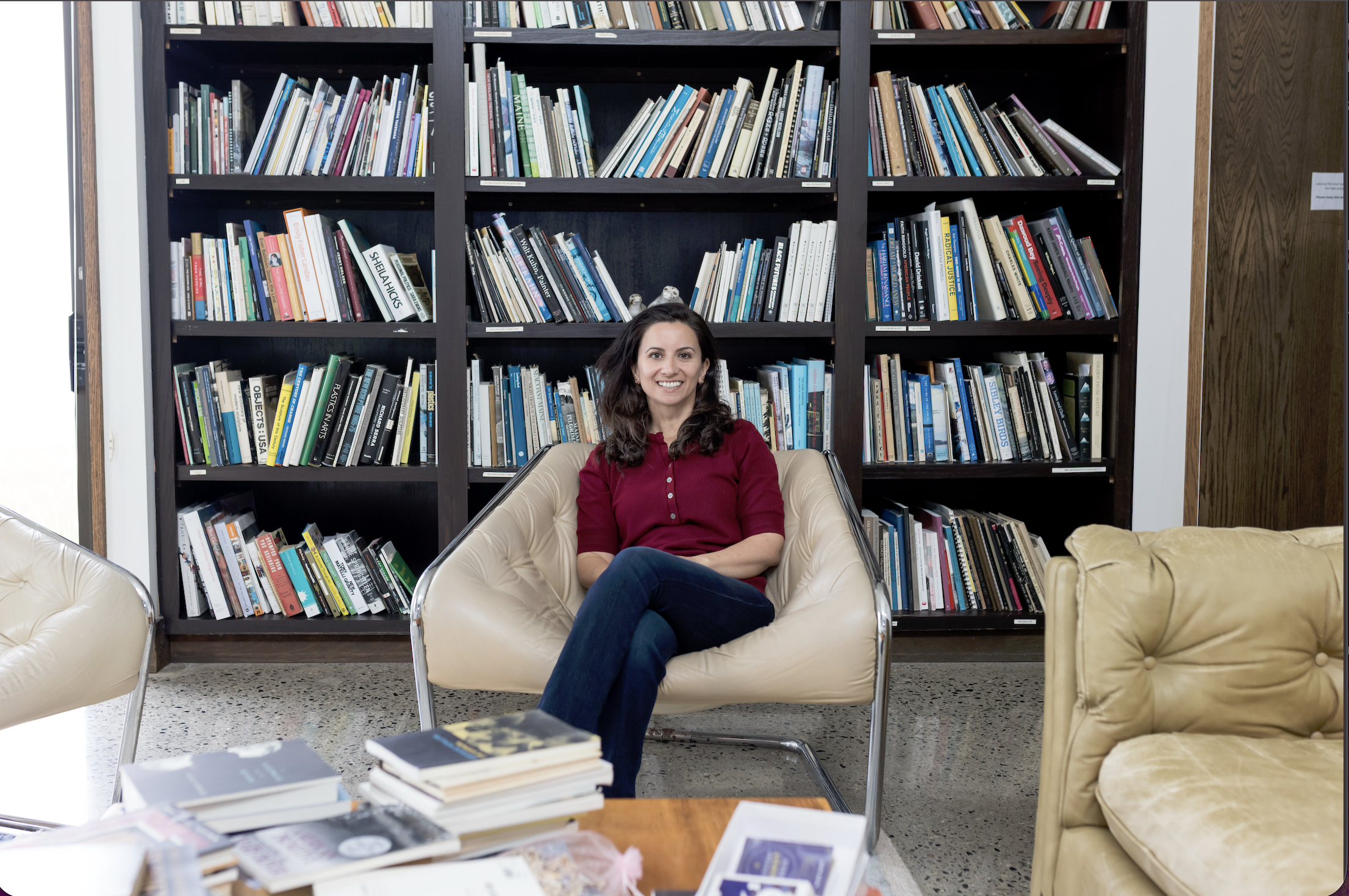
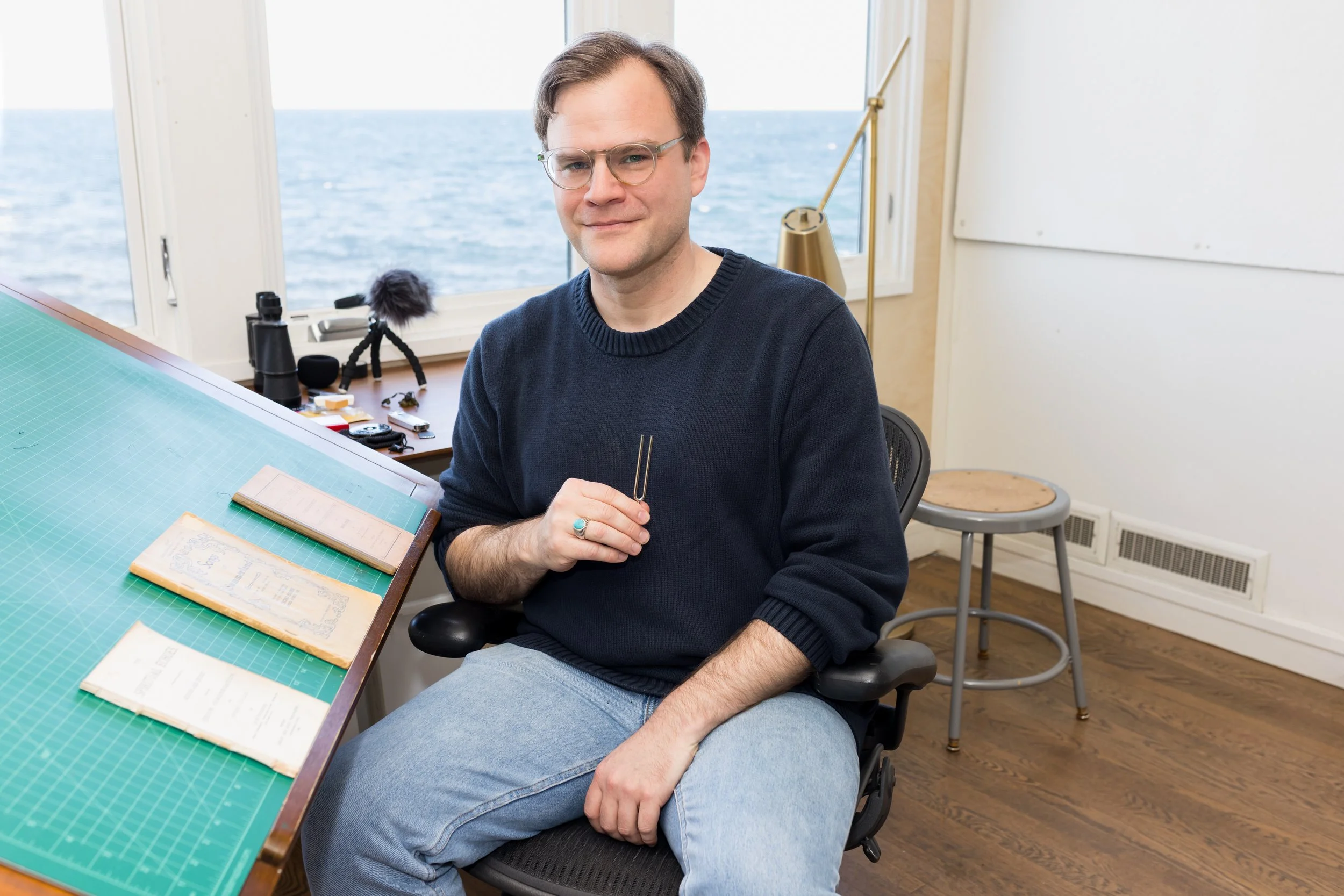
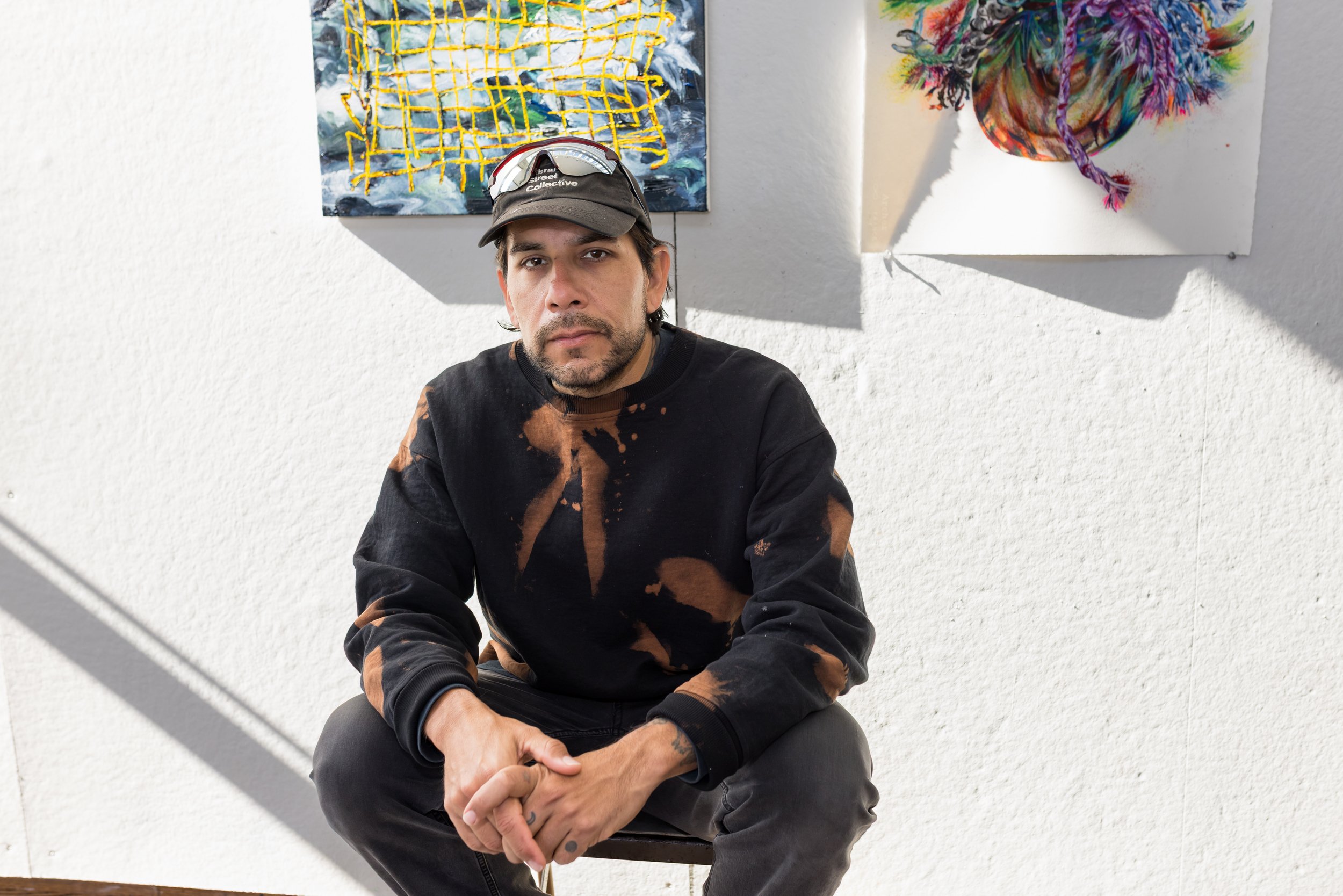
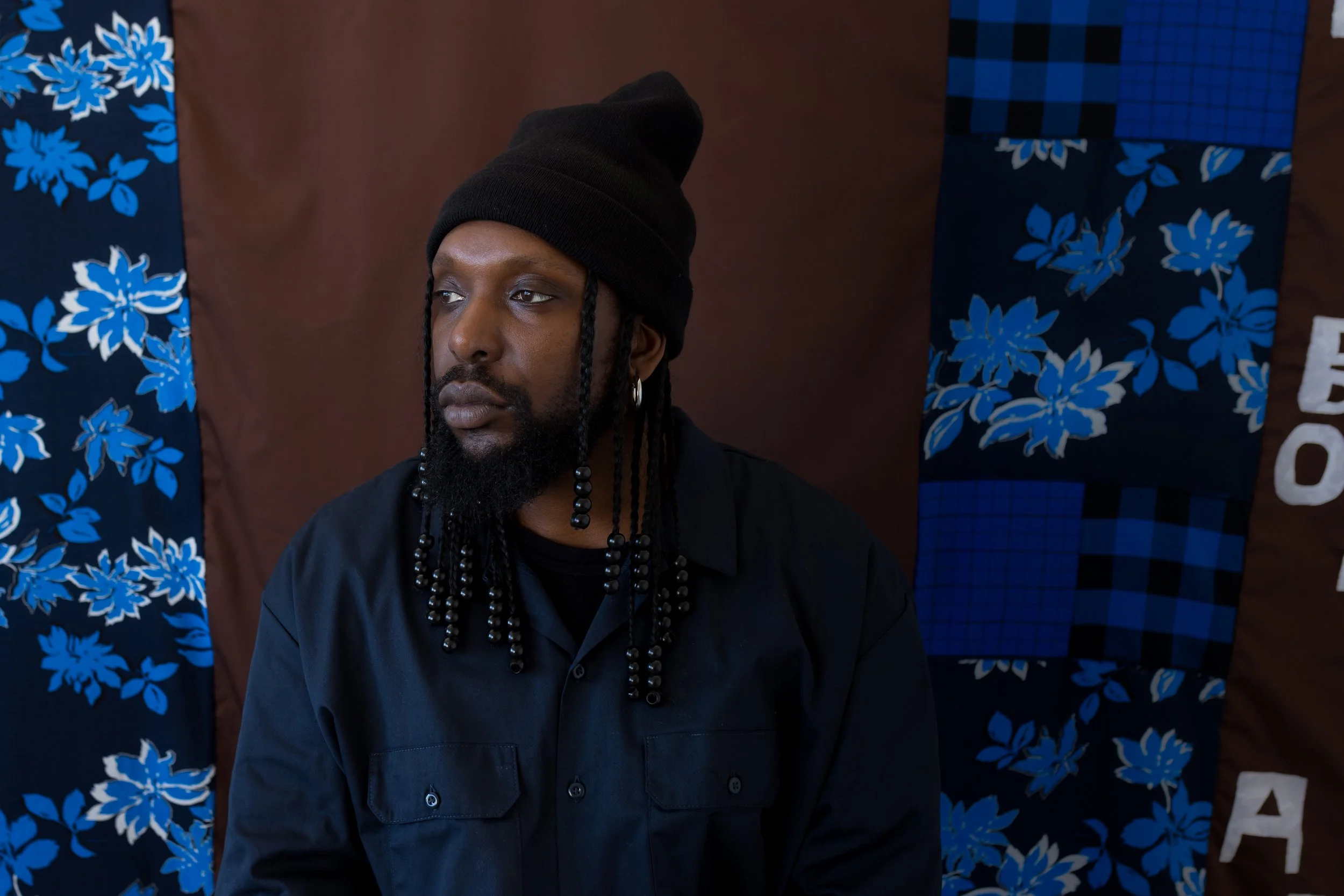
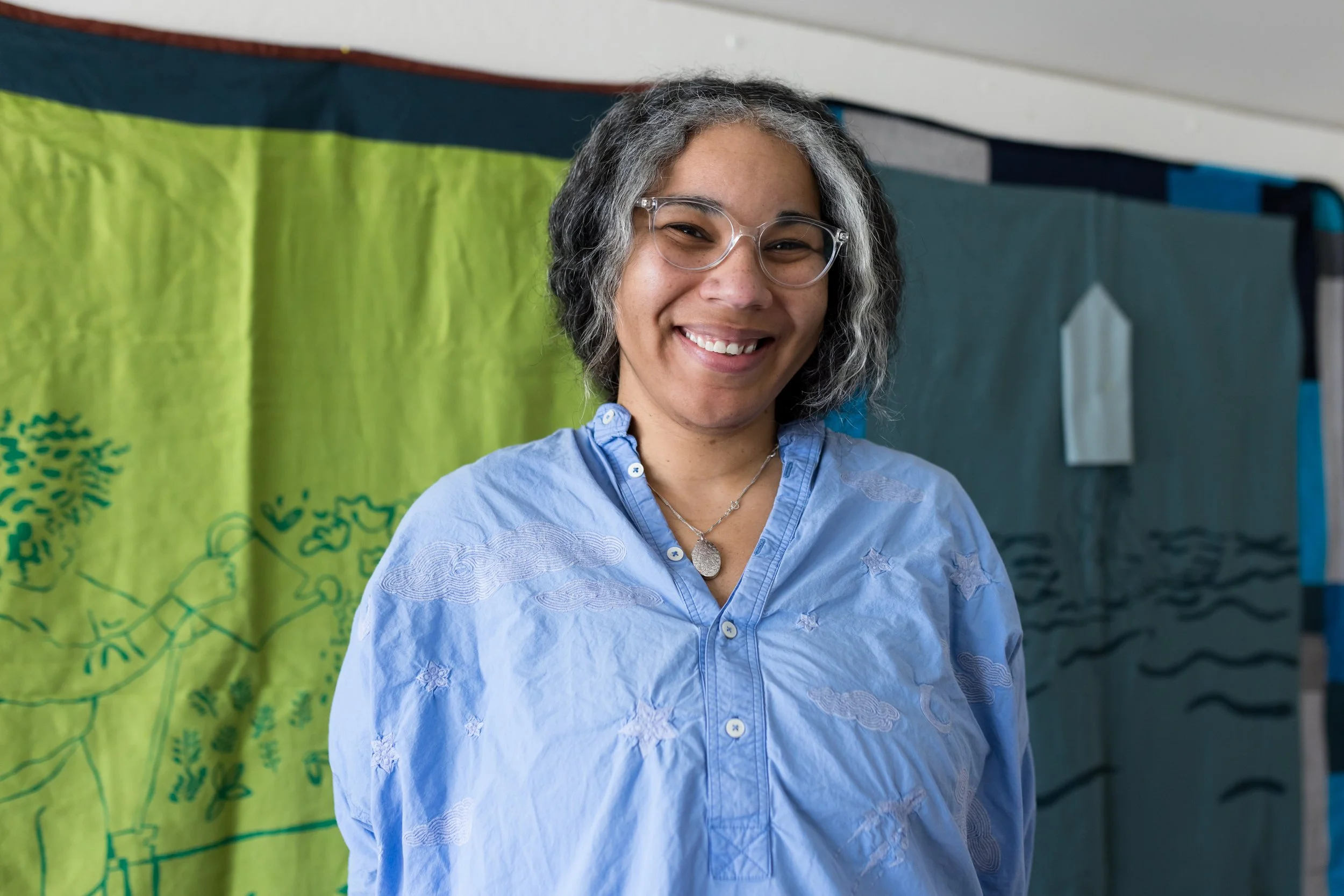
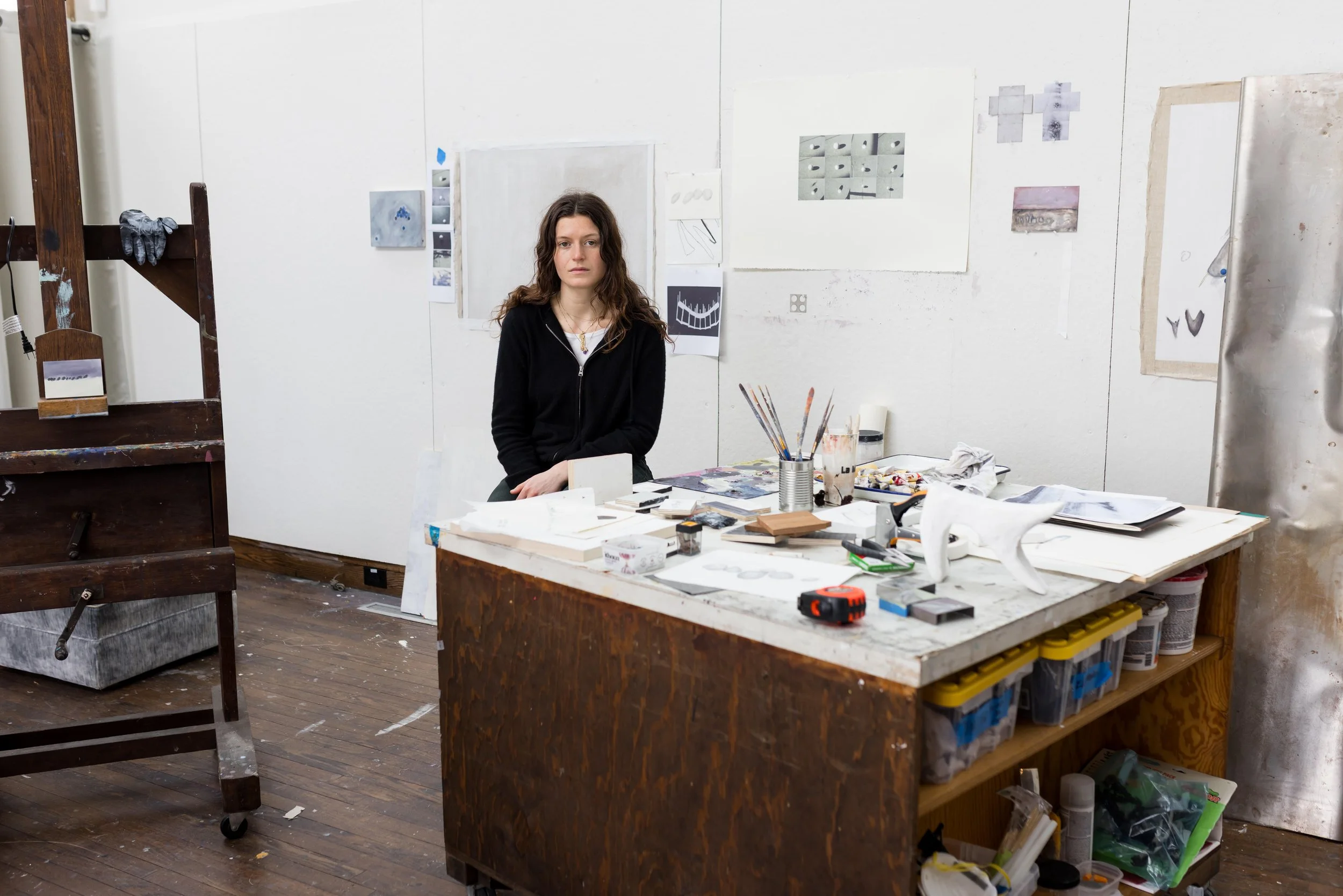
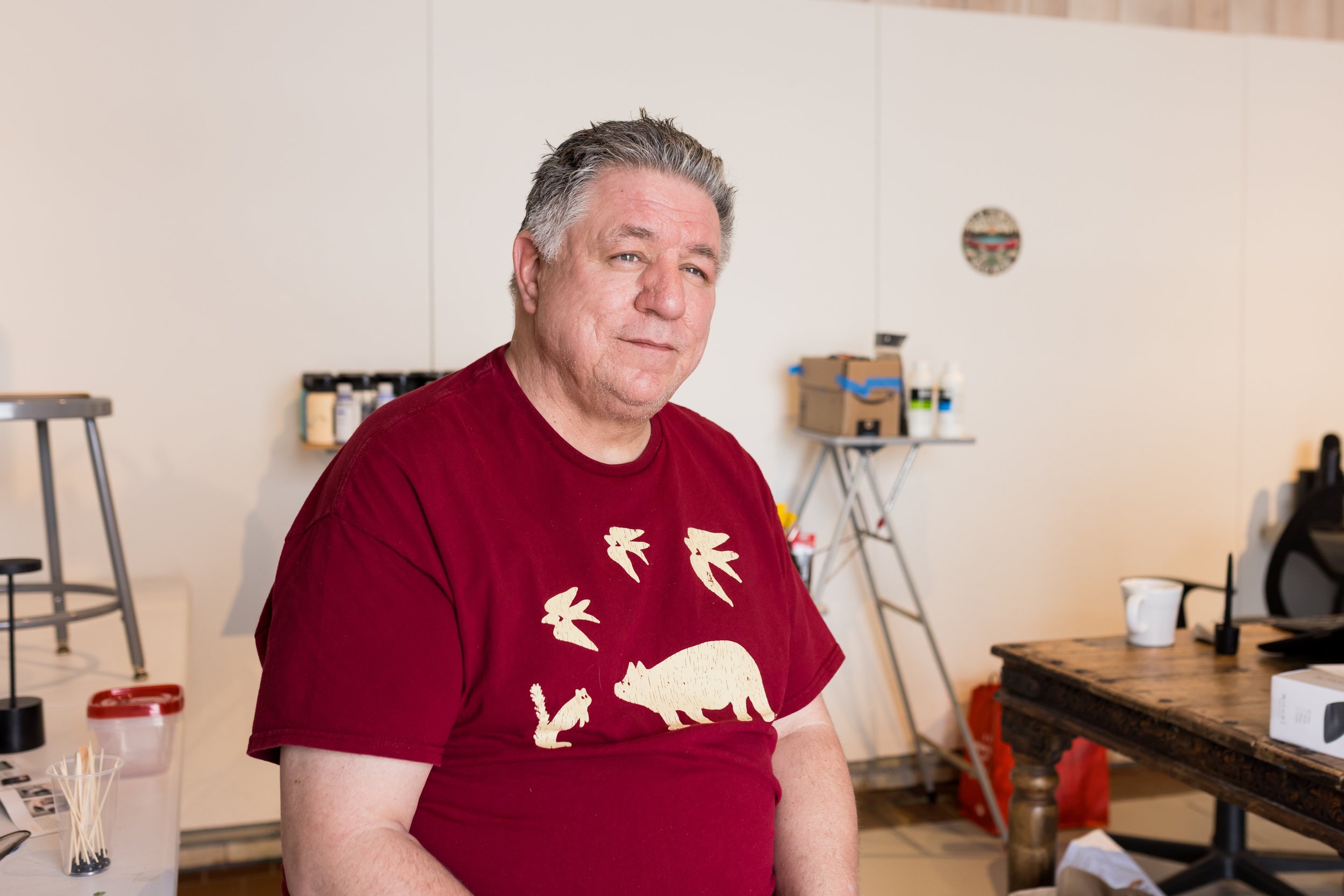
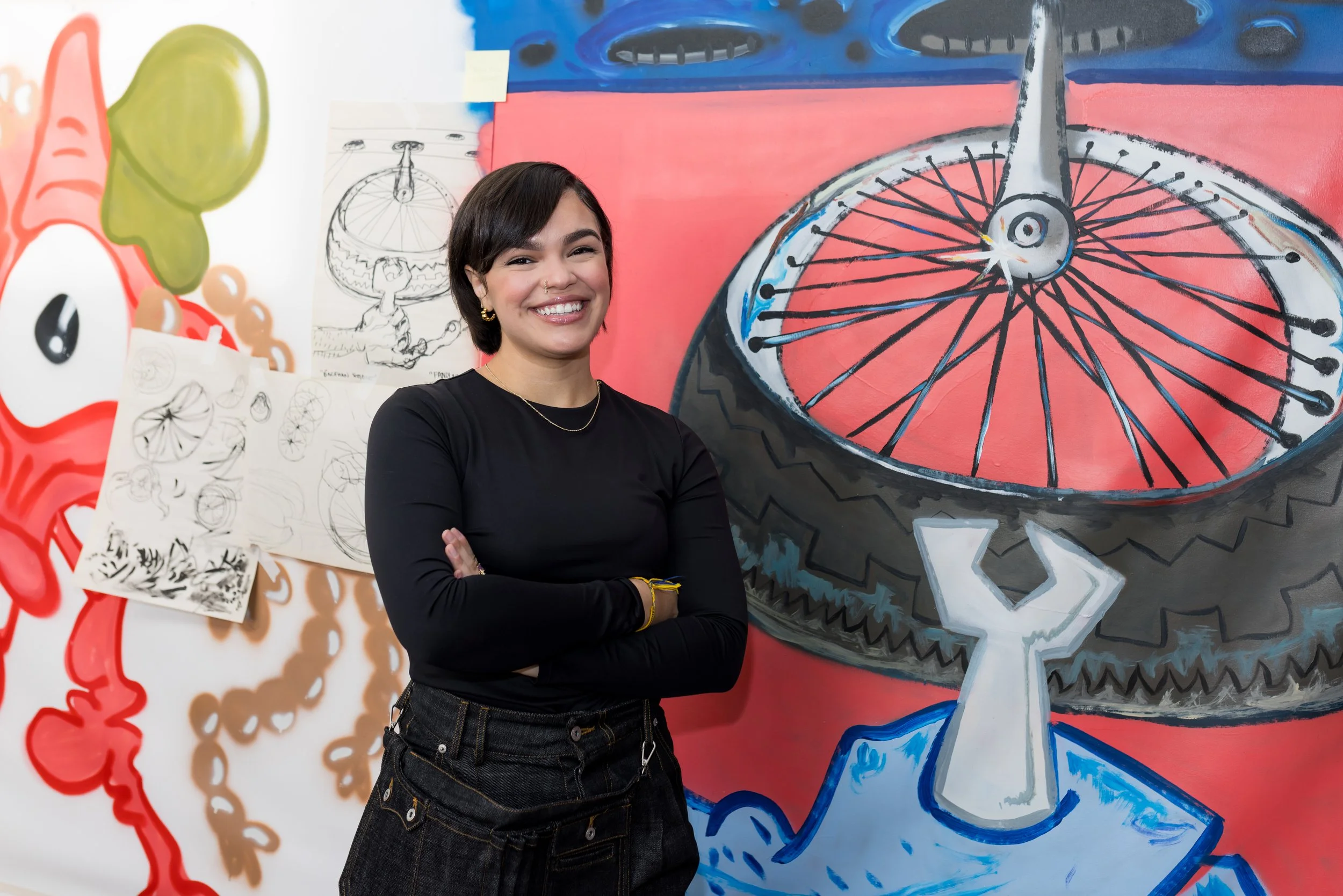
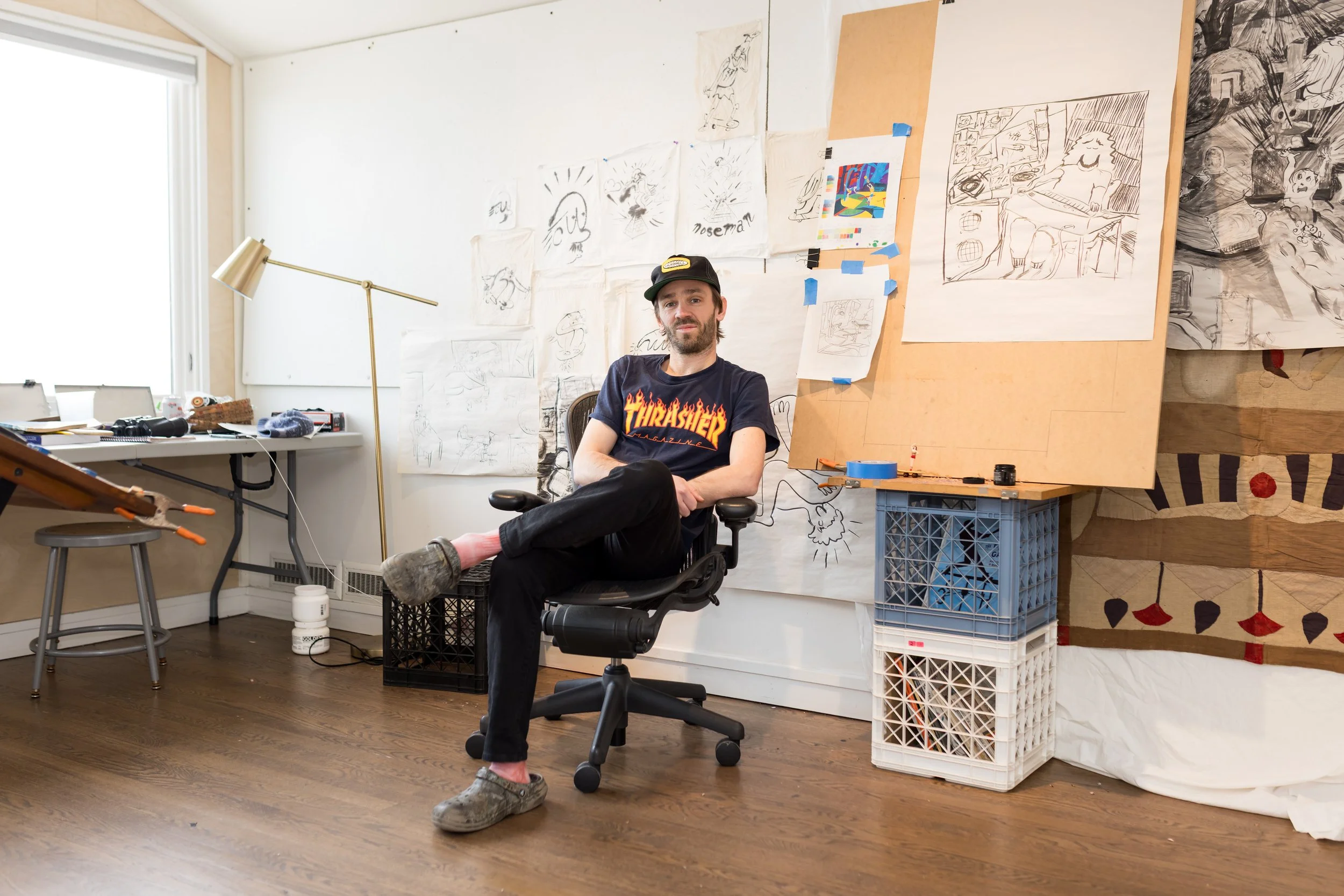
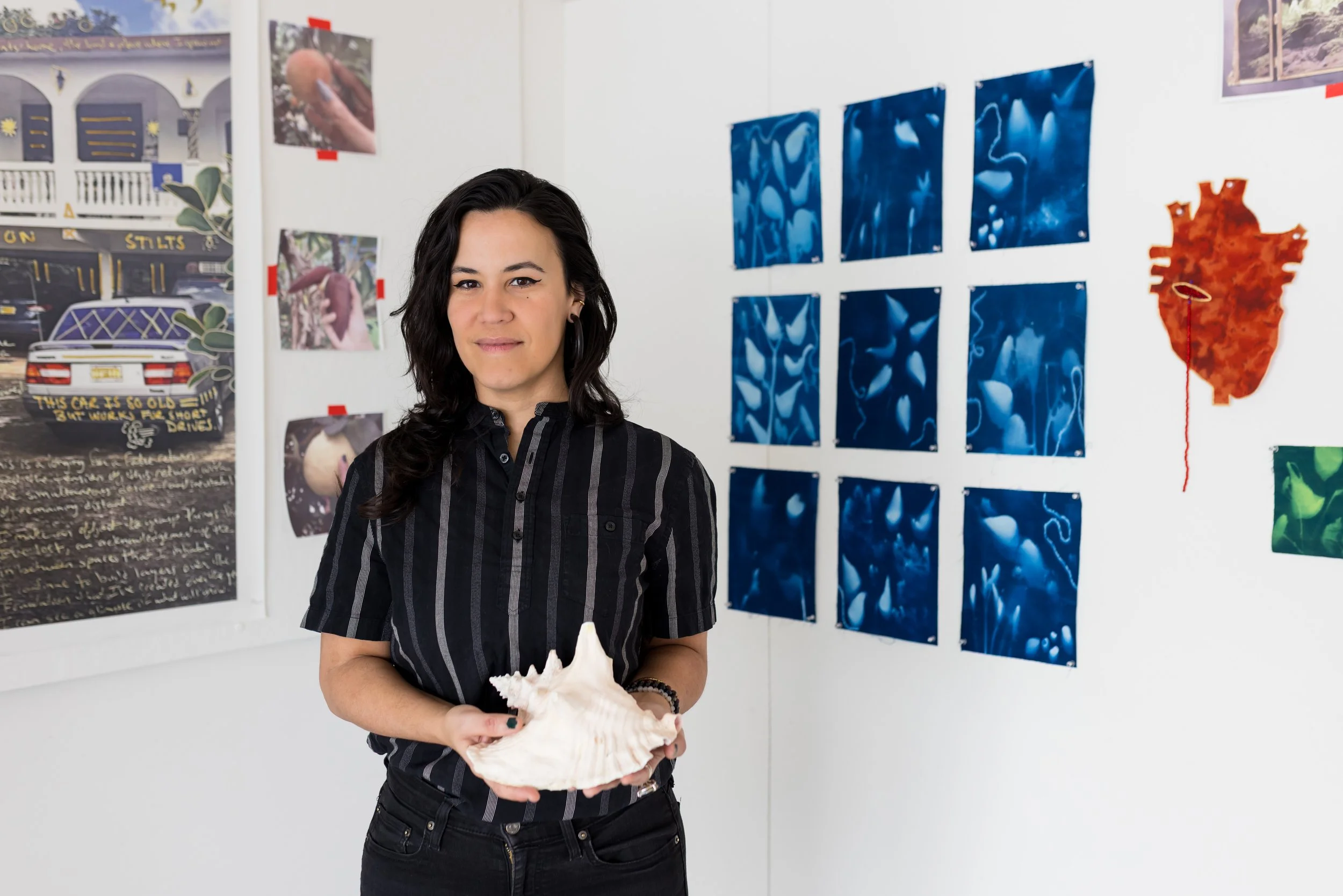
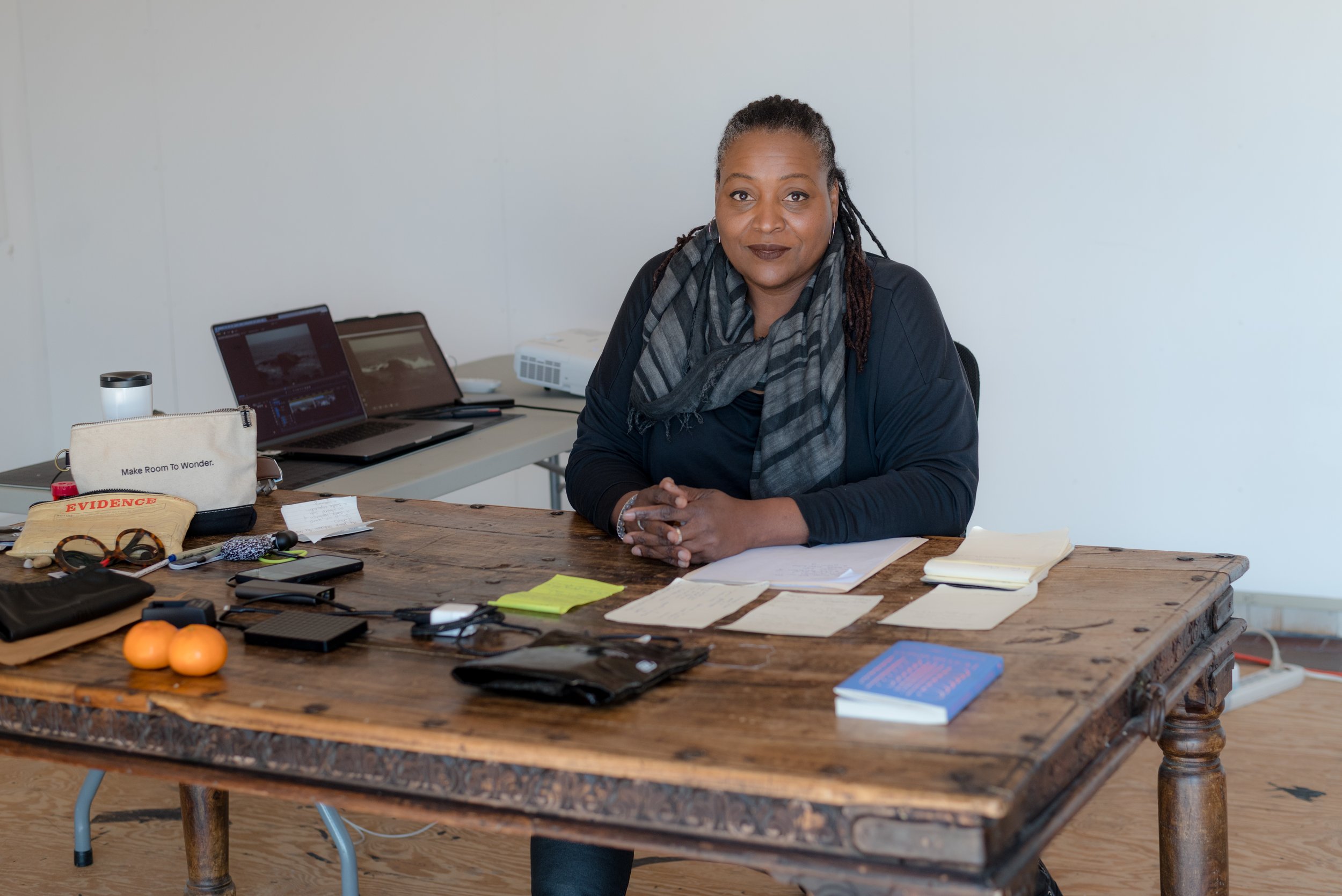
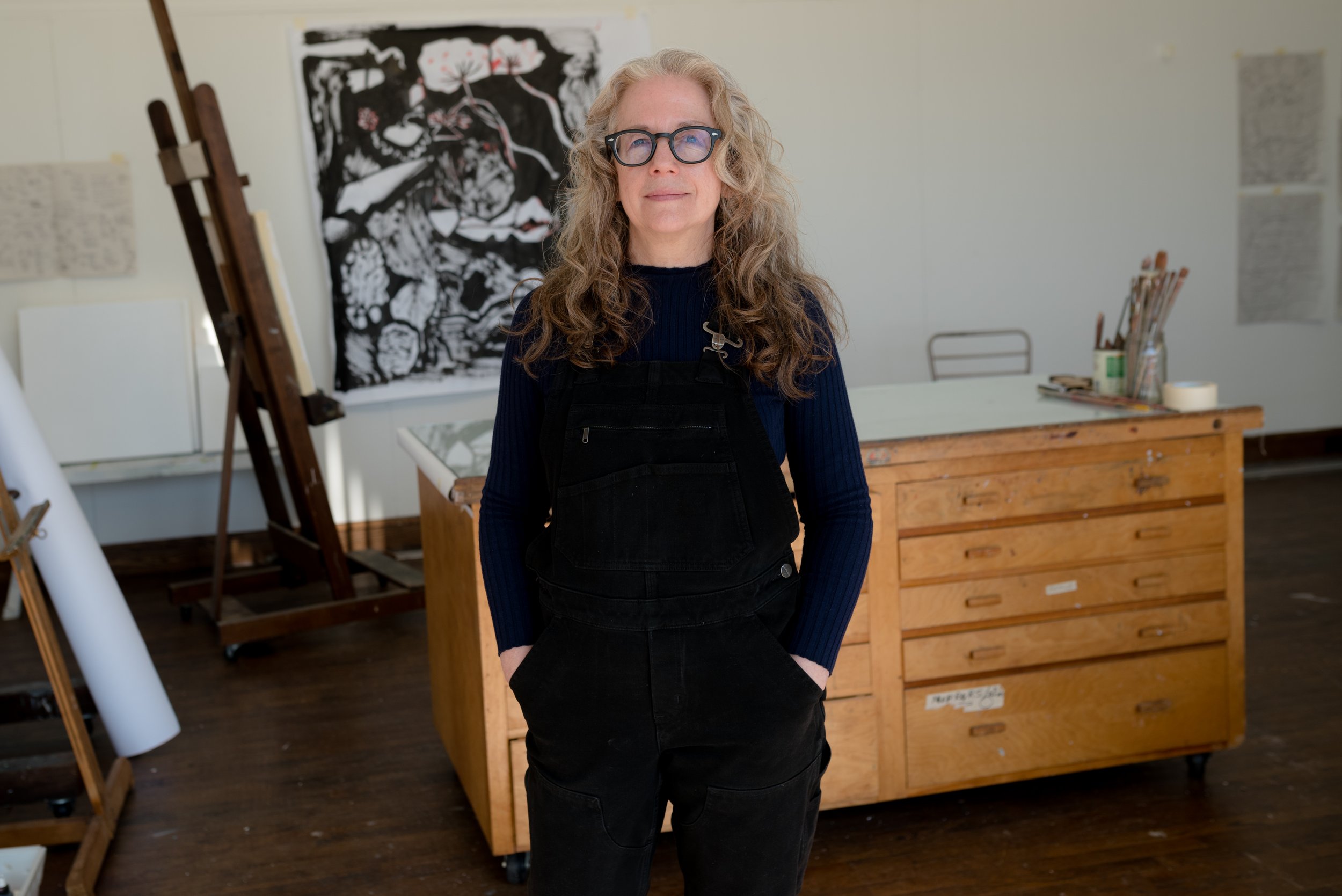
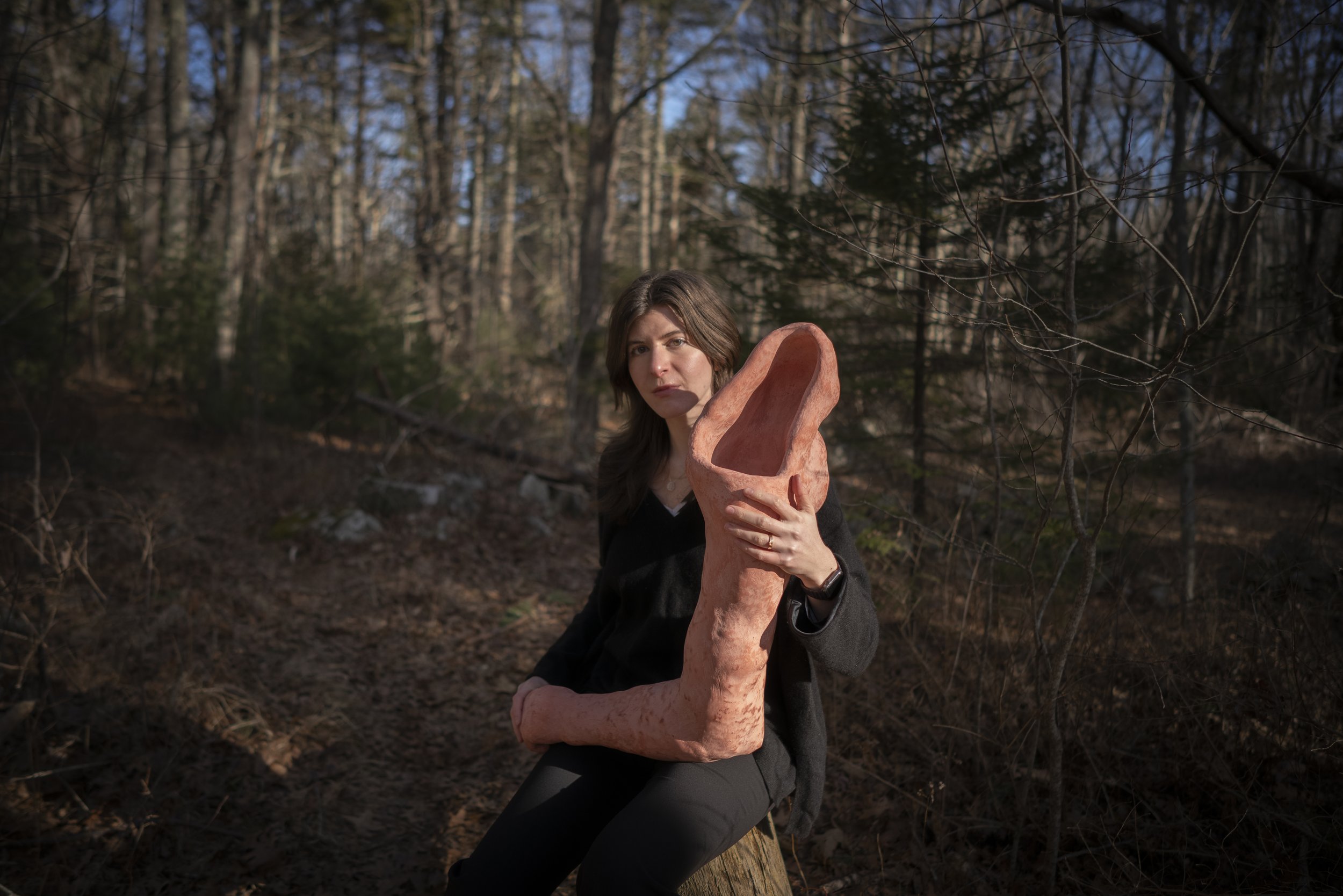
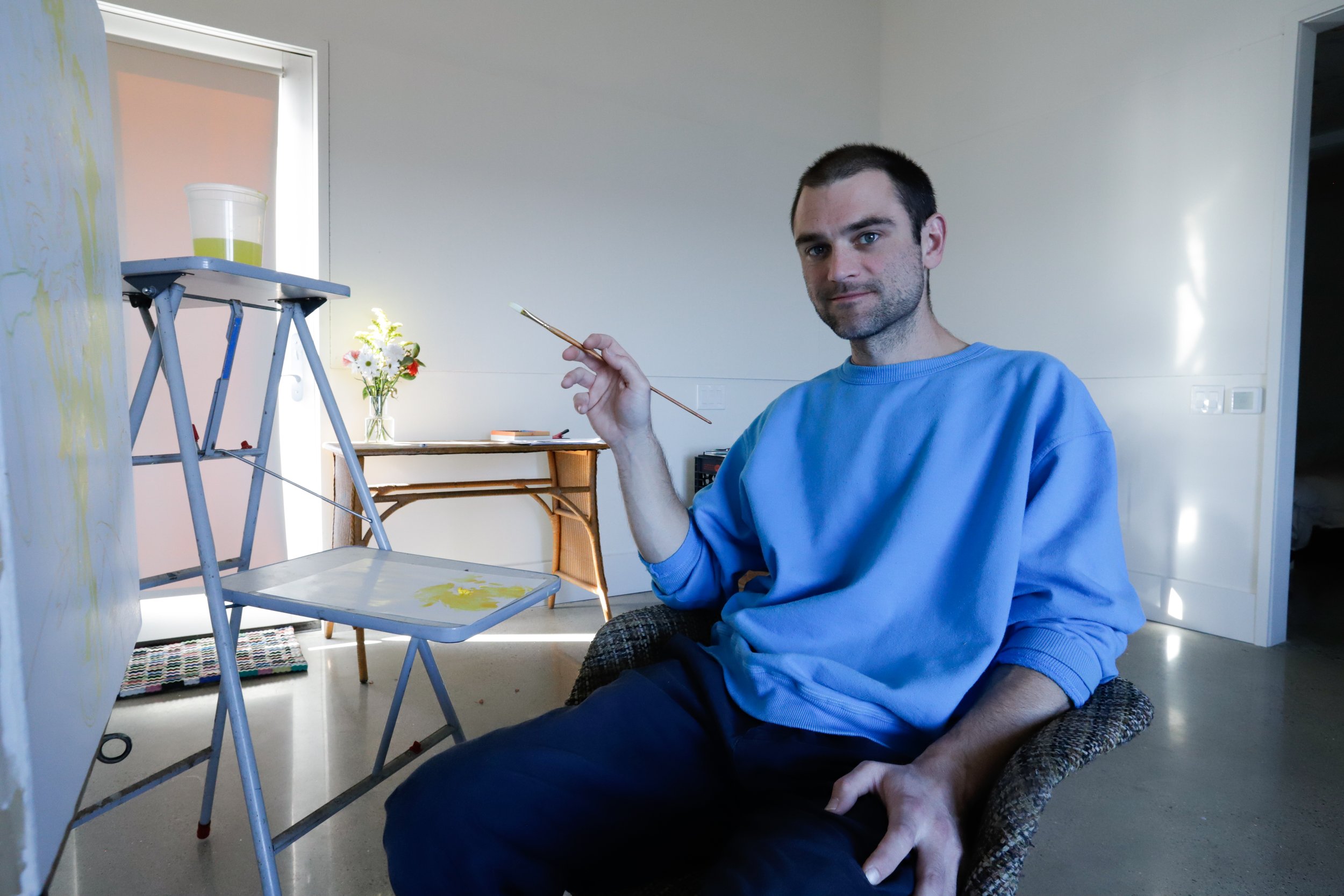
Facilitated cohort activities include guided visits to the Ogunquit Museum of American Art and Portland Museum of Art, wellness offerings, and professional portrait photography. Public programs include on-site guided nature walks with the Center for Wildlife, Plein Air painting days, Meet the Residents talks, and gardening programs at Wild Knoll Foundation Garden.
In 2027, residents receive an honorarium of $4,000, supported in part by a one-year grant from the Helen Frankenthaler Foundation. The honorarium may be used in any way the resident chooses. Residents are responsible for their own travel, local transportation, shipping, and food.
How Residents Are Selected
Surf Point’s residency program was launched in 2019 with a selection model designed to reflect the organization’s values while reducing the administrative burden and low acceptance rates associated with traditional open-call applications.
There are three pathways to residency at Surf Point:
Alumni nomination. Alumni from the previous year are invited to nominate one artist or arts professional for a future residency. Nominations are not accepted from board or staff members, the general public, or on a continuous basis from other alumni. Nominees complete a simple online application, and no proposal for how they intend to use their time at Surf Point is required. This model strengthens relationships across the Surf Point community and enables more resources to be directed toward the residency itself.
Foundation and institutional sponsorships. Surf Point works with partner organizations to host a limited number of sponsored residents. Current and recent partners include Artist Communities Alliance, McKnight Foundation, Rhode Island Foundation, 3Arts, Artis, the Dorothea and Leo Rabkin Foundation, and the Ogunquit Museum of American Art. We welcome conversations with organizations interested in residency sponsorships.
In development: arts professionals. With few opportunities in the field for teachers, writers, curators and nonprofit directors to apply or receive a residency, Surf Point is currently developing a pathway for these essential members of the art community.
Because Surf Point’s nominee pool is larger than the number of available residency spaces, final selection is made by lottery, taking into account availability, spatial requirements, and other residency needs. We maintain a waitlist in case spaces become available.
Although we are not able to accept residency nomination requests from the public, we are always interested in learning about artists and arts professionals and welcoming new people into the Surf Point community in other ways. We encourage those interested in Surf Point to attend our public programs, submit proposals for events and programs, or contact us to introduce themselves and learn more about our work.
Current and Incoming Residents
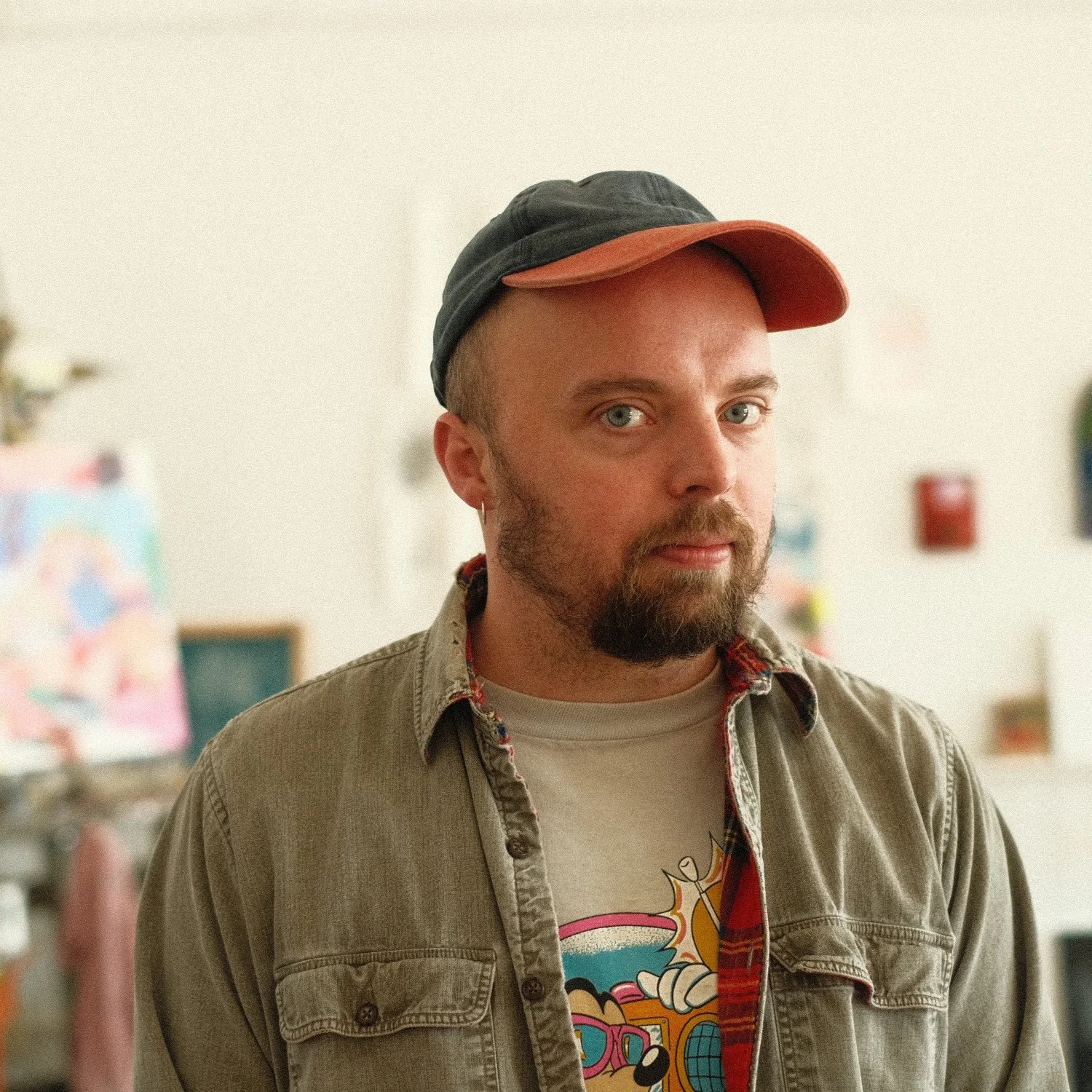
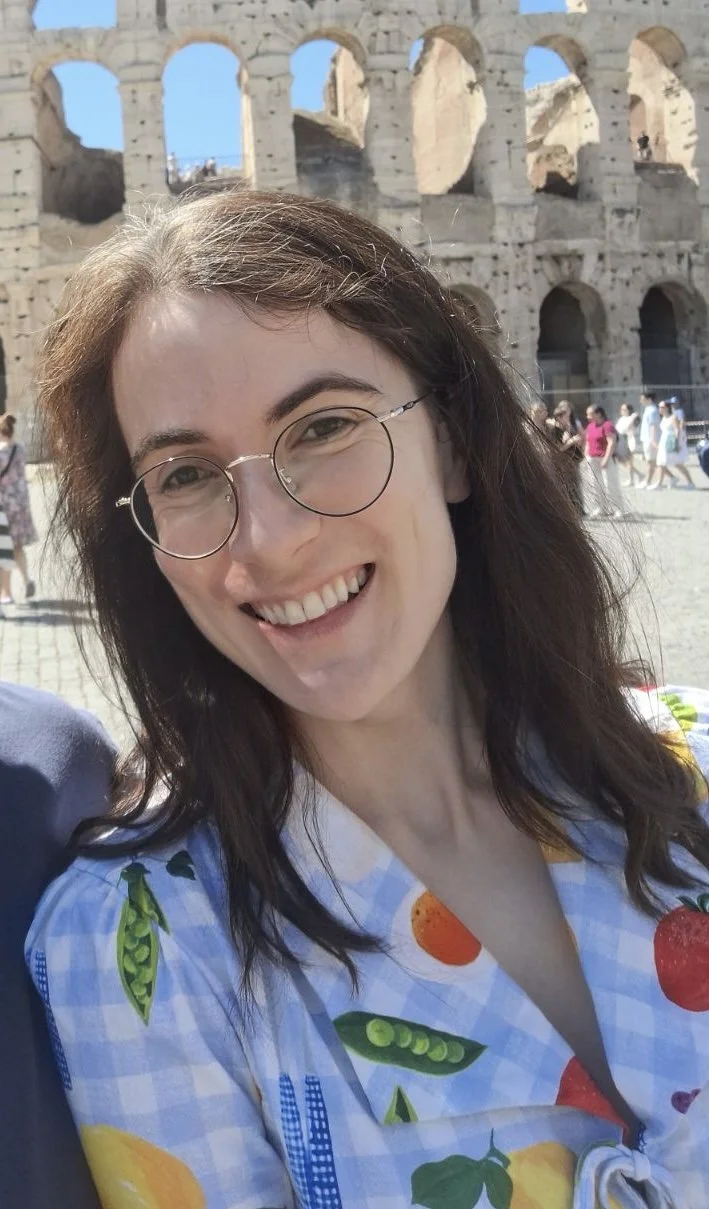
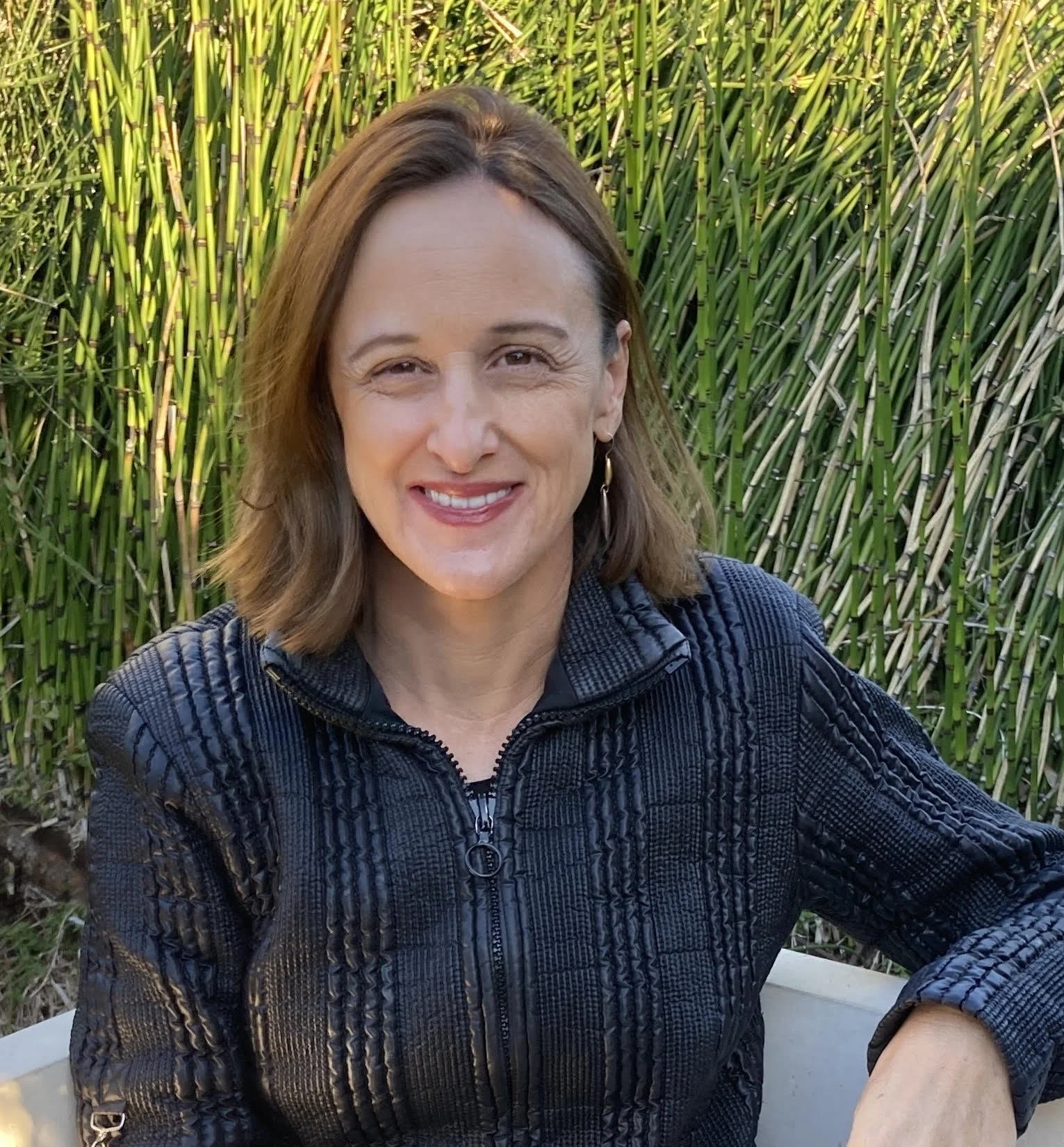
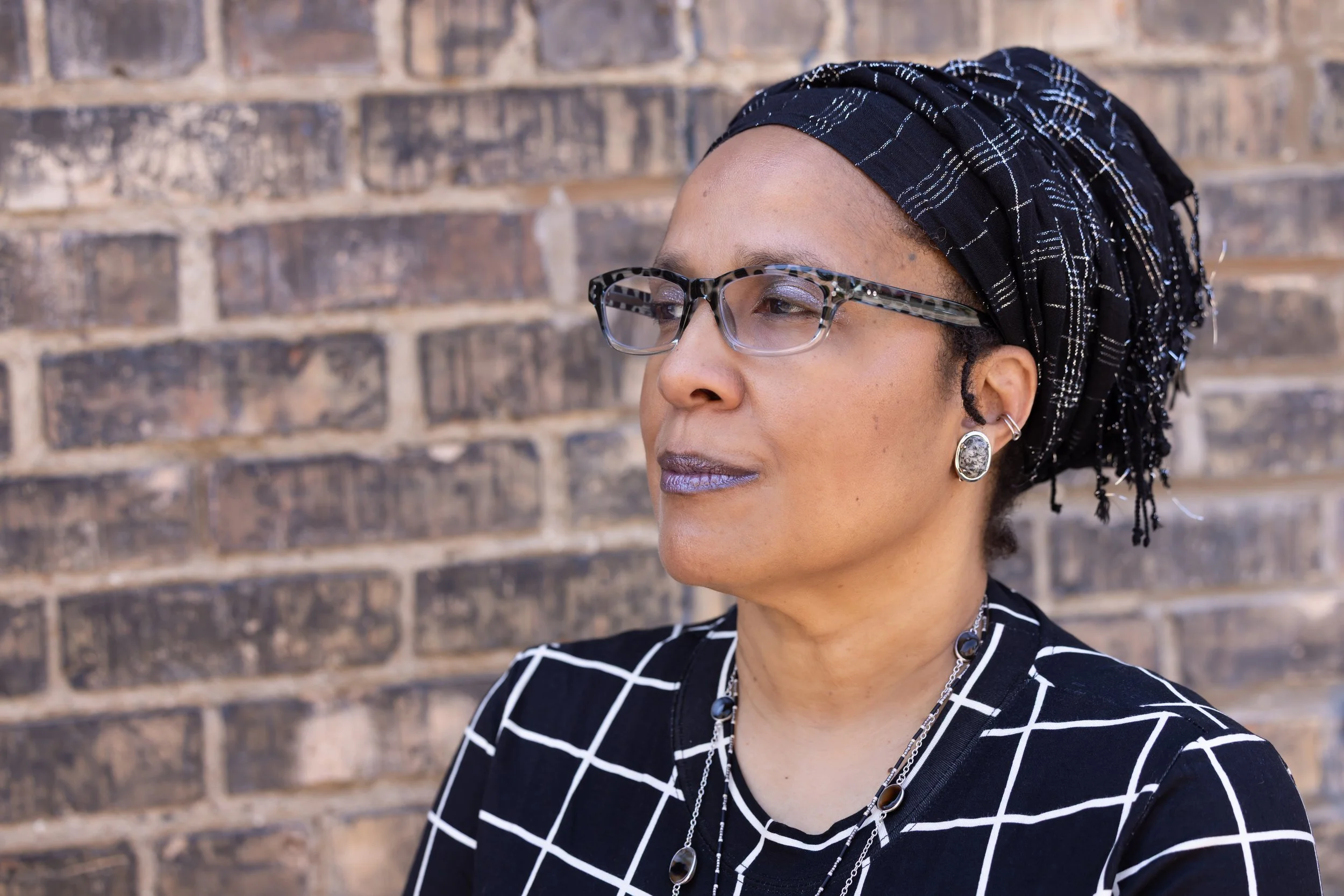
Upcoming 2026 Residents
Alumni
Soulaf Abas ‘26
Ryan Adams ‘22
Rachel Gloria Adams ‘26
Elana Adler ‘23
Karen Adrienne ’21
Sachiko Akiyama ‘22
Meg Alexander ‘23
Abdu Ali ‘23
Dalia Amara ‘22
William Armstrong ‘21
Misoo Bang ‘23
Greta Bank ‘25
Yevgeniya Baras ‘20
Cynthia Barton ‘19
Biba Bell ‘24
Dena Beard ‘24
Olivia Berke ‘26
Bryana Bibbs ‘22
Matt Bodett ‘22
Leenda Bonilla ‘22
Rozalinda Borcilă ‘25
Meghan Brady ‘20
Sascha Braunig ‘21
Louis Bury ‘25
Ryan Cardoso ‘23
Cole Caswell ‘22
C. C. Ann Chen ‘26
Nicki Cherry ‘23
Cecile Chong ‘23
cameron clayborn ‘23
Cody Castle-Stack ‘24
Caleb Cole ‘19
Carrie Cushman ‘19
Bee Daniel ‘24
Dennis RedMoon Darkeem ‘20
Nikki Darling ‘25
Becci Davis ‘24
Jarid del Deo ‘25
Suzy Delvalle ‘20
Victoria DelValle ‘26
Stephanie Dinkins ‘21
Dan Dowd ‘24
Kyle Downs ‘26
Jory Drew ‘26
Michel Droge ‘25
Annika Earley ‘25
Lauren Fensterstock ‘25
Yatika Starr Fields ‘26
Shannon Finnegan ‘20
Lilly Hern-Fondation ‘23
Kate Fowle ‘22
James Eric Francis Sr. ‘26
Victoria Fu ‘24
bree gant ‘22
iliana emilia García ‘22
Lilian Garcia-Roig ‘25
Mariah Garnett ‘21
Karen Gelardi ‘23
Dahn Gim ‘26
Carly Glovinski ‘21
Charles W. Goolsby ‘23
Kearra Amaya Gopee ‘24
Asuka Goto ‘25
Bryan Graf ‘19
Meg Hahn ‘23
Dell Marie Hamilton ‘24
Marc Handelman ‘25
Séan Alonzo Harris ‘22
Tempestt Hazel ‘22
Kathleen Henderson ‘21
Mary Henderson ‘25
Anna Hepler ‘19
Olga Herrera ‘22
Christopher K. Ho ‘23
Julee Holcombe ‘23
Tanja Hollander ‘24
Denae Howard (#Artschoolscammer) ‘23
Jibade-Khalil Huffman ‘19
Maria Hupfield ‘23
Kemi Ilesanmi ‘24
Hilary Irons ‘23
Deborah Jack ‘23
Julia Jacquette ‘23
Isaac Jaegerman ‘21
Greg Jamie ‘22
Daniel Johnson ‘19
Erin Colleen Johnson ‘21
Grant Klarich Johnson ‘24
JOJO ABOT ‘23
Lucy Kim ‘21
Efrat Klipshtein ‘25
Kathleen Kolb ‘19
Baxter Koziol ‘21
Crystalle Lacouture ‘21
Athena LaTocha ‘23
Marisa Lerer ‘24
Melissa Levin ‘21
Jesse Littlefield ‘21
Jen Liu ‘21
Jason Lujan ‘23
Joe Mama-Nitzberg ‘22
Matt Marble ‘26
Lauren Marinaro ‘25
David Martine ‘22
Micaela Martegani ‘23
Shona Masarin ‘25
Roger Q. Mason ‘26
Mary Mattingly ‘21
Antonio McAfee ‘22
A.J. McClenon ‘24
Glendalys Medina ‘21
Enrique Mendía ‘23
Jackie Milad ‘25
Tyrone Mitchell ‘22
Marcia Minter ‘21
Triton Mobley ‘24
Kayla Mohammadi ‘24
Danielle Mysliwiec ‘21
Daisy Nam ‘19
Alex Nazari ‘25
Elaine K. Ng ‘19
Tessa G. O'Brien ‘22
Elijah Ober ‘25
B. Ingrid Olson ‘21
Ja’Hari Ortega ‘23
Veronica Perez ‘23
José Santiago Pérez ‘26
Nicoletta Pollara ‘25
Kaitlin Kylie Pomerantz ‘25
Stacy Pratt ‘25
Jake Price ‘23
Stina Puotinen ‘23
Lisi Raskin ‘21
Sharmistha Ray ‘26
Em Rea ‘25
Ivan Rios-Fetchko ‘22
Daniela Rivera ‘21
Shey 'Rí Acu' Rivera Ríos ‘26
Christophe Roberts ‘22
Julia Rommel ‘20
Jamie Roux ‘22
Legacy Russell ‘22
Luis Sahagún ‘25
Christina Schmid ‘25
Sarah Rose Sharp ‘24
Carly Sheehan ‘25
Jean Shin ‘26
Gina Siepel ‘24
Teresa Silva ‘22 and ‘24
Emilie Stark-Menneg ‘24
Jessica Straus ‘22
Audrey Stone ‘23
Barbara Sullivan ‘22
Andrea Sulzer ‘21
Dorian Sylvain ‘24
Aurora Tang ‘23
Reuben Telushkin ‘25
Mary Temple ‘24
Chanel Thervil ‘22
Minsoo Thigpen ‘24
Carol Thompson ‘23
Johanna Unzueta ‘21
Don Voisine ‘22
Jackie Tileston ‘23
Ngoc-Tran Vu ‘22
Shiao-Ping Wang ‘19
Cosmo Whyte ‘22
Abbey Williams ‘25
Cedric Wilson ‘24
Beatrice Wolert ‘22
Naoko Wowsugi ‘22
Jamele Wright, Sr. ‘25
iris yirei hu ‘25
Tigist Yoseph Ron ‘24